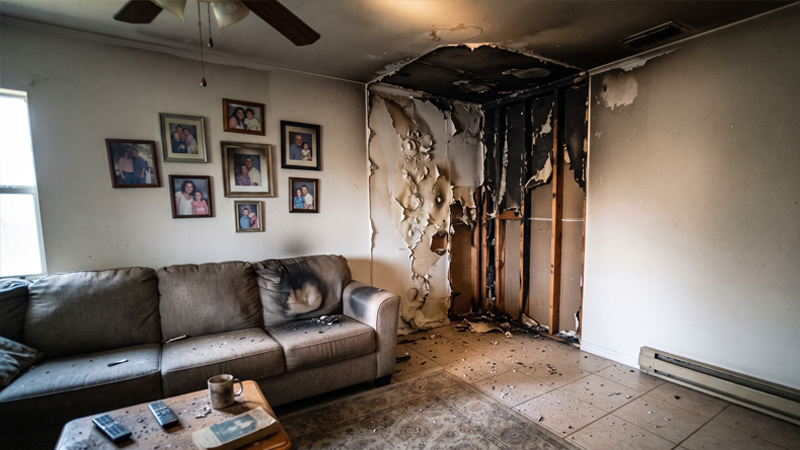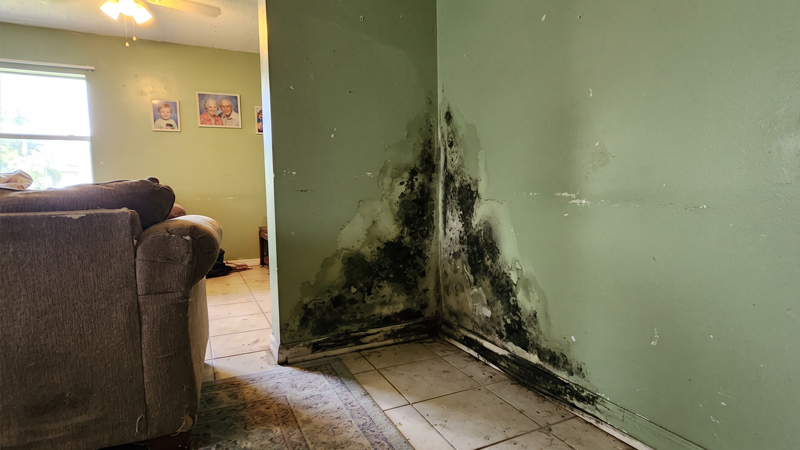
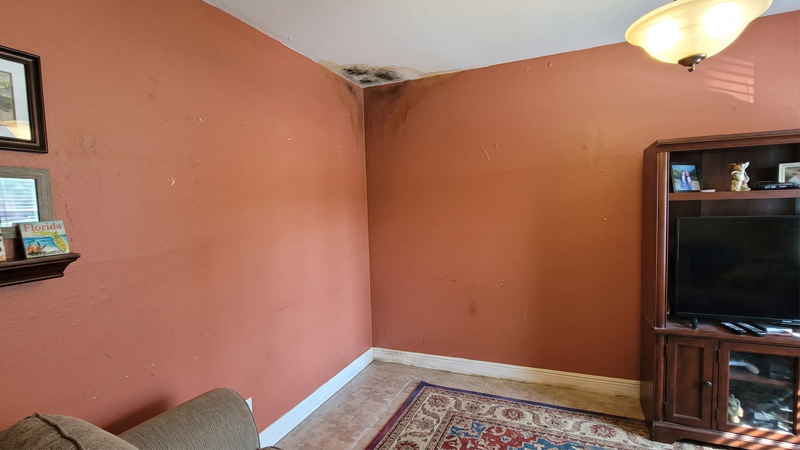
Finding mold in house walls, cabinets, or other damp areas can leave you with two immediate questions: could it affect your family’s health, and will your homeowners insurance help? For Florida homeowners, the next steps involve understanding the moisture problem, getting appropriate help, and keeping a clear record of what happened.
Health concerns and insurance coverage require different evaluations. A healthcare professional can assess symptoms. Your policy and the circumstances of the damage determine what may be covered. This guide helps you organize those questions without assuming that every mold problem leads to illness or a paid claim.
Can Mold in Your House Make You Sick?
It can affect some people, while others experience no symptoms. The CDC’s guidance on mold and health describes possible effects including nasal congestion, coughing, wheezing, irritated eyes, and skin irritation. People with asthma, mold allergies, weakened immune systems, or chronic lung disease may face greater risks.
However, symptoms of mold exposure can overlap with other conditions. A cough or headache alone cannot establish that mold in your home is the cause. If someone has symptoms or an existing respiratory condition, discuss the concern with a healthcare professional. A property inspection or insurance review cannot provide a medical diagnosis.
Mold in House: Signs That Deserve Attention
Visible growth and a persistent musty odor are reasons to investigate. Moisture clues may include recurring dampness, staining, or damaged finishes around a leak. These clues do not identify the type of mold or establish insurance coverage, but they can help you explain where the problem first appeared.
Think beyond the visible patch. The EPA’s homeowner guide explains that mold can be hidden behind building materials. If you suspect hidden growth, avoid opening walls or disturbing affected materials yourself; an experienced professional can help investigate.
What to Do If You Find Mold in Your House
Address the immediate moisture problem while preserving useful information. Do not delay necessary safety measures or damage mitigation just to collect evidence.
- Document what you can safely see. Take room-wide photos and close-ups. Note the discovery date, affected rooms, odors, and visible moisture. Keep original image files.
- Record the sequence of events. Was there a plumbing leak, roof problem, or earlier water loss? Separate dates you know from estimates. Do not guess how long hidden mold has been present.
- Get appropriate help for the moisture and damage. Keep inspection findings, repair invoices, drying records, and any professional recommendations together.
- Contact your insurer promptly about a possible claim. Ask what documentation it requires and keep a written record of the response. Review your policy’s reporting and mitigation duties.
Correcting moisture matters even before the coverage question is resolved. The EPA recommends drying water-damaged materials within 24–48 hours to help prevent mold growth. That prevention guidance is not an insurance reporting deadline or a guarantee that mold cannot develop.
Do You Need Mold Testing?
Not automatically. According to the EPA’s mold testing guidance, sampling is generally unnecessary when mold is already visible. A qualified professional can explain whether testing would answer a specific question in your situation.
Testing, removal, and an insurance claim review serve different purposes. Before paying for sampling, ask what it will establish, how the results will be used, and whether your insurer requires particular documentation. A test result alone does not establish the cause of the moisture or guarantee reimbursement.
Free Claim ReviewFound mold after water damage and unsure how to document your claim? Call A2Z Property Claims at (689) 220-3931 for a free, no-obligation claim review. We can discuss your property claim questions; the review is not a medical assessment or mold test.
What to Check in Your Florida Homeowners Policy
Coverage depends on your policy and what caused the damage. Florida’s Homeowners Insurance Toolkit explains that mold resulting from a covered event may be covered, subject to limits; some policies exclude mold-related claims.
Read the policy and any mold or fungi endorsement together. Ask how testing, remediation, and related repairs are treated, what deductible applies, and whether there is a separate mold limit. The presence of mold or a health concern does not, by itself, establish property coverage.
For a fuller explanation, read our guide to homeowners insurance coverage for mold in Florida. Keep this article as your first-steps checklist and use that guide to explore the coverage questions in more detail.
Prepare a Clear File for Your Claim Review
A useful file tells the story of the damage without overstating what is known. Include your policy, claim number if available, dated photos, a short timeline, professional reports, receipts, and correspondence with the insurer.
For each expense, record who performed the work and what it addressed. Separate emergency work, assessment or testing, removal, and reconstruction in your notes. Keep copies of estimates as well as final invoices, and flag unanswered questions for the review. This makes the discussion more specific, but does not guarantee a claim outcome.
Frequently Asked Questions
Can mold in house walls affect you even when you cannot see it?
Hidden mold is possible, but symptoms alone cannot confirm it. Seek professional help for suspected hidden moisture or growth, and discuss health concerns with a healthcare professional.
Should I wait for a mold test before addressing a leak?
No. The moisture source needs attention. Arrange appropriate help and document the damage safely while asking whether sampling is useful for your situation.
Does insurance cover mold testing?
It may, depending on the covered loss, policy terms, and applicable limits. Ask your insurer how testing costs would be evaluated before assuming they will be reimbursed.
Does insurance cover mold remediation?
Coverage is policy-specific. Review exclusions and mold limits along with the cause of the damage; a remediation estimate alone does not confirm coverage.
What should I bring to a free claim review?
Bring your policy, photos, timeline, available reports and invoices, and any insurer correspondence. If you have already filed, include the claim number and written coverage decision.
This article provides general educational information, not medical or legal advice. Coverage depends on the policy and facts of each loss. No claim result is guaranteed.