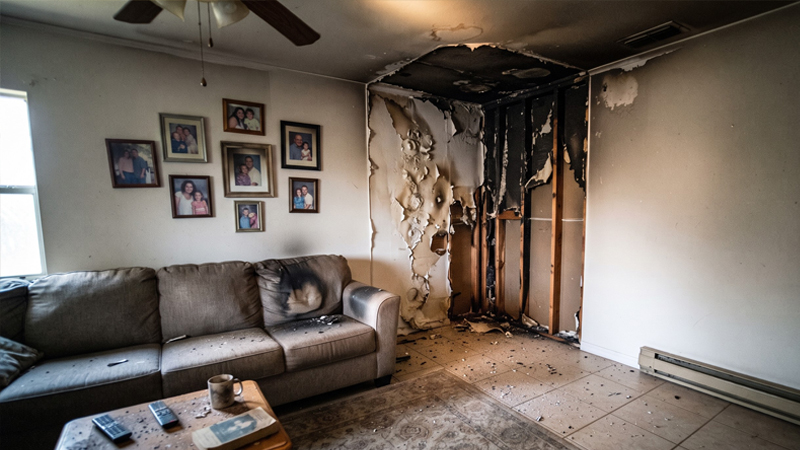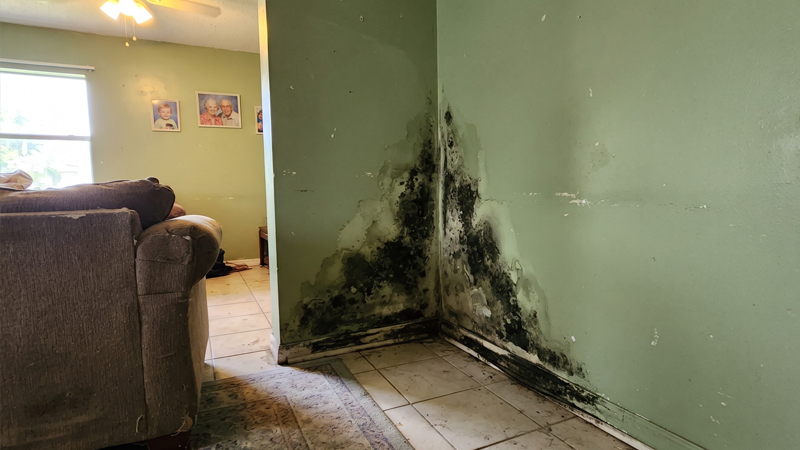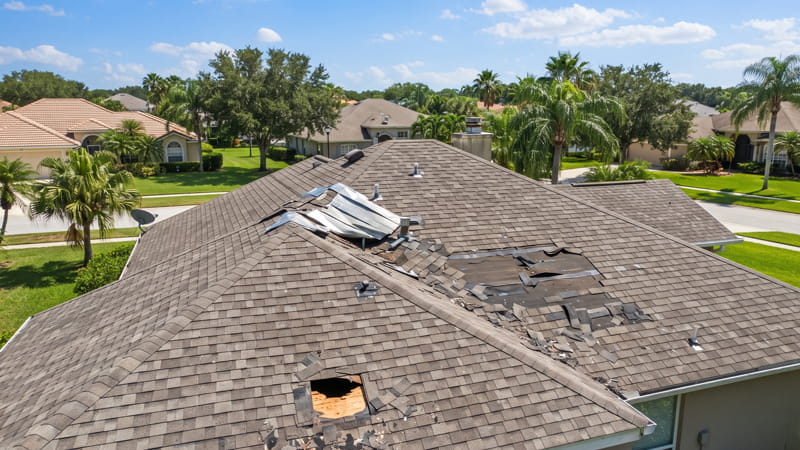
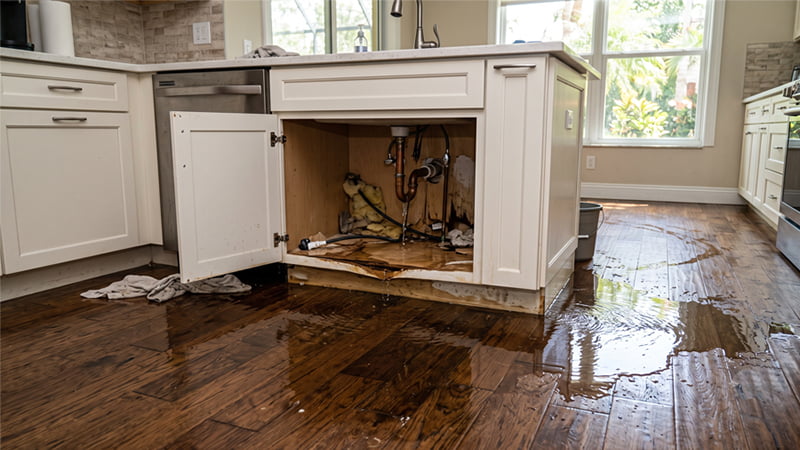
A failed supply line, a burst pipe, or a leaking shower pan can cause serious damage in minutes. If you’re filing a water damage insurance claim after a plumbing failure in Central Florida, what you do in the first hours and days can determine whether that claim is paid in full or significantly underpaid. Here’s exactly what to do, step by step.
Step 1: Stop Further Damage
If possible, shut off the water source or protect the affected area from further exposure. Most insurance policies require homeowners to take reasonable steps to prevent additional damage — failing to do so can be used to reduce a settlement later.
Step 2: Document Everything — Before You Touch Anything
Before removing any damaged materials, take detailed photos and video. Capture wide-angle views and close-ups of:
- Flooring and baseboards
- Cabinets and built-ins
- Walls and ceilings
- Adjacent rooms, even if they look unaffected
Documentation is the single biggest factor separating a fully paid claim from an underpaid one. Many claims lose value simply because the full scope of damage was never recorded at the start.
Step 3: Notify Your Insurance Company Promptly
Report the claim as soon as possible. Be clear and factual about when the damage occurred and what caused it — how the loss is initially described can influence how the insurance company categorizes and evaluates it.
Common Causes — and Why Plumbing Failures Need Special Attention
Water damage claims come from several sources, but plumbing failures are among the most common and the most likely to be underpaid if not properly documented:
- Burst pipes
- Failed water pressure booster pumps
- Shower pan leaks
- Broken supply lines
- Water heater failures
Most Florida policies cover sudden and accidental water damage — but coverage depends heavily on the exact policy language and how well the failure is documented as sudden rather than gradual. A slow leak that went unnoticed for weeks is treated very differently by insurers than a pipe that burst overnight, even if the visible damage looks identical.
The Damage You Can’t See Is Often the Damage That Gets Denied
Water spreads. It travels behind walls, under flooring, and into insulation long before it becomes visible on the surface. Moisture trapped in these areas can affect baseboards, cabinets, and even adjacent rooms without any obvious sign.
This is where claims are most often shortchanged — the insurance adjuster’s initial inspection frequently only accounts for what’s visible. Thermal imaging and moisture meters are the standard tools used to detect hidden water intrusion, and having that documentation matters when the estimate is negotiated.
Free Claim ReviewNot sure if your water damage claim was fully and fairly evaluated? A2Z Property Claims offers a free, no-obligation claim review — call (689) 220-3931 or request your free inspection today.
Understanding the Water Damage Insurance Claim Process
Once you file, the insurance company assigns an adjuster to inspect the damage and prepare an estimate. It’s important to remember: that adjuster works for the insurance company, not for you. Their estimate reflects their employer’s interest in minimizing the payout, not necessarily the true cost to restore your property.
Initial estimates commonly leave out:
- Flooring transitions and material matching between rooms
- Cabinet continuity when only part of a run is damaged
- Building code upgrade requirements triggered by the repair
- Hidden moisture found behind walls or under subflooring
Before You Accept Any Settlement on Your Water Damage Insurance Claim
Review the scope of work carefully before signing anything. Common mistakes that cost homeowners money:
- Waiting too long to report the claim
- Failing to document hidden damage before repairs begin
- Accepting the first estimate without an independent review
- Signing a release without fully understanding what it waives
In Central Florida — including Orlando, Sanford, and throughout Seminole County — building codes, matching requirements, and material availability can all significantly affect what a fair repair estimate should actually include.