A roof leak insurance claim can be one of the most disputed types of property claims in Florida — even when the roof damage itself looks minor, interior water damage can spread fast, and insurers often push back on what actually caused it.
Common Causes of a Roof Leak
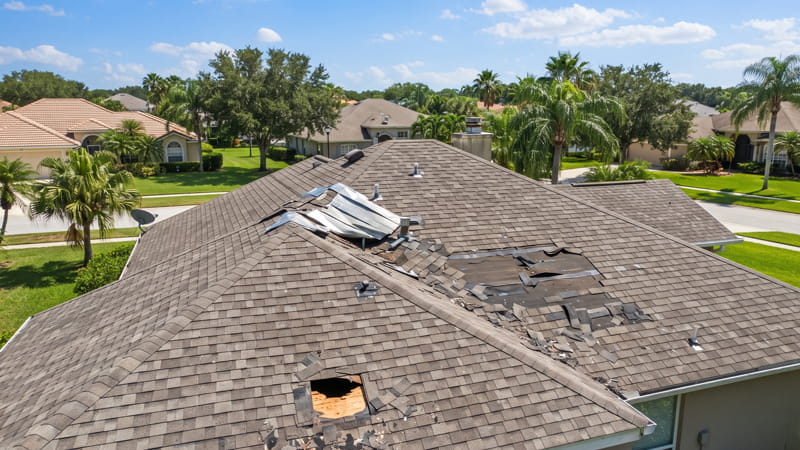
Most roof leaks in Central Florida come from a specific, identifiable event — which matters a lot when it’s time to file a roof leak insurance claim:
- Storm and wind damage
- Wind uplift on shingles or flashing
- Missing or creased shingles
- Failed flashing around vents, chimneys, and skylights
- Aging roof components reaching the end of their lifespan
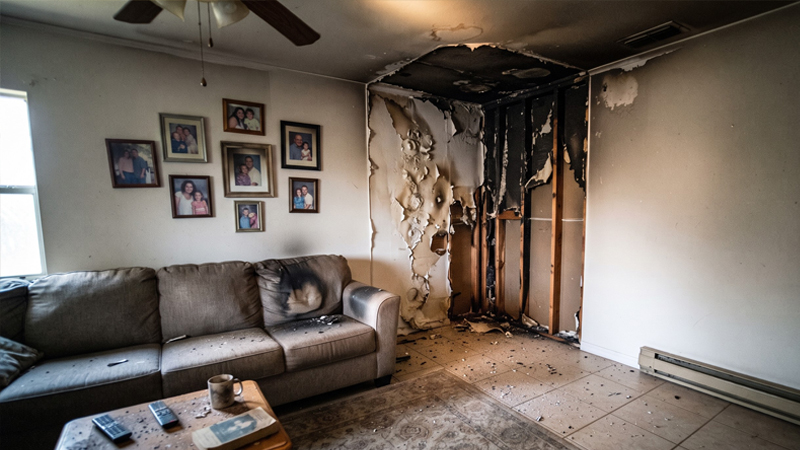
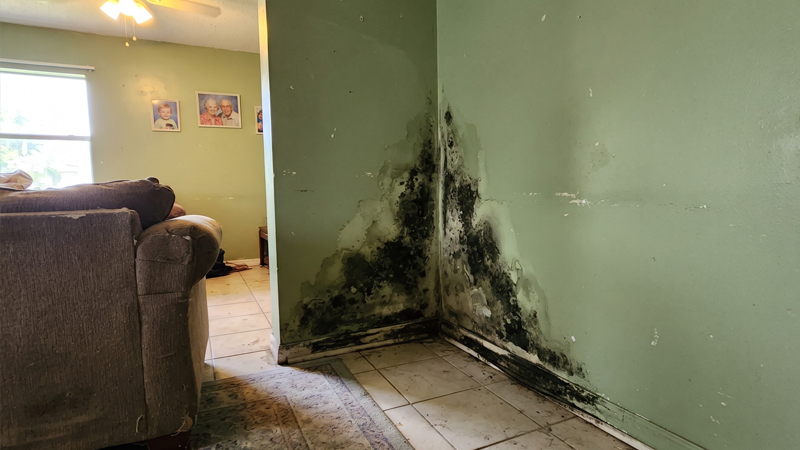
What Roof Leak Water Damage Looks Like Inside Your Home
Interior damage from a roof leak often shows up gradually, and it’s easy to underestimate at first:
- Ceiling staining or a growing water infiltration ceiling mark
- Wet or compressed insulation
- Damaged drywall — sometimes with visible roof leak drywall damage spreading along a seam
- Mold concerns in areas that stayed damp too long
- Flooring damage directly below the leak
In more advanced cases, a damaged ceiling from water leak can require full drywall replacement rather than a simple patch — especially if the moisture has been trapped long enough to weaken the material. This is another reason early documentation matters: the sooner it’s identified, the smaller the repair scope tends to be.
What To Do If You Discover a Roof Leak
Protect the interior from further damage if it’s safe to do so, then document everything before starting any repairs. Photograph:
- The ceiling damage from multiple angles
- Attic conditions, if accessible
- Exterior roof areas — only if it’s safe to do so
Prompt reporting matters. The longer a leak goes unreported, the easier it becomes for an insurer to argue the damage built up gradually rather than from a single covered event.
Roof Leak Insurance Claim Challenges
Roof leak claims are disputed more often than most other property claims, usually over one core question: was the damage sudden, or did it build up over time? Insurers frequently point to:
- Normal wear and tear
- Long-term seepage that predates the reported event
- Deferred maintenance issues
Florida policies typically cover sudden and accidental storm damage, but exclusions can apply depending on the specific cause. This is exactly where a roof leak insurance claim can get denied or underpaid — proper inspection and documentation are what determine whether the damage is classified as covered or excluded.
Interior Matching and Scope Issues
Even when the roof damage itself is approved, the interior repair scope is where many settlements fall short. Ceiling texture matching, paint continuity across a room, and full insulation replacement are often left out of the initial estimate. An incomplete scope can mean a settlement that doesn’t actually cover the full cost of restoring the property.
Roof Leak Insurance Claim Help in Central Florida
If you’re dealing with a roof leak or related water damage in Orlando, Sanford, or surrounding Central Florida areas, careful documentation and policy review make the difference between a fair settlement and a denied one. According to the Insurance Information Institute, most standard homeowners policies cover sudden roof damage from windstorms but exclude damage from lack of maintenance — which is exactly the distinction insurers dispute most in these claims.
Every policy is different, and every roof leak insurance claim should be evaluated based on the specific cause of loss and policy language — not assumptions.
Frequently Asked Questions
Can you claim a leaking roof on insurance?
Yes, in most cases — as long as the leak resulted from a sudden, covered event like a storm, rather than gradual wear or lack of maintenance. The exact policy language determines what qualifies.
Will insurance cover roof repair after a leak?
It depends on the cause. Insurers generally cover roof repair when the damage stems from a sudden, accidental event, but they often deny claims tied to age-related deterioration or deferred maintenance.
How long do I have to file a roof leak insurance claim in Florida?
You should report a roof leak as soon as it’s discovered. Delayed reporting is one of the most common reasons insurers dispute whether the damage was sudden or gradual.
What if my roof leak insurance claim was already denied?
A denial isn’t always final. A licensed public adjuster can review the denial letter, challenge the insurer’s reasoning, and reopen the case with proper documentation.
Does homeowners insurance cover ceiling water stains from a roof leak?
Typically yes, when the underlying roof leak is a covered cause of loss — but the ceiling stain itself is just a symptom. The full claim should also account for insulation, drywall, and interior finishing, not just the visible mark.